

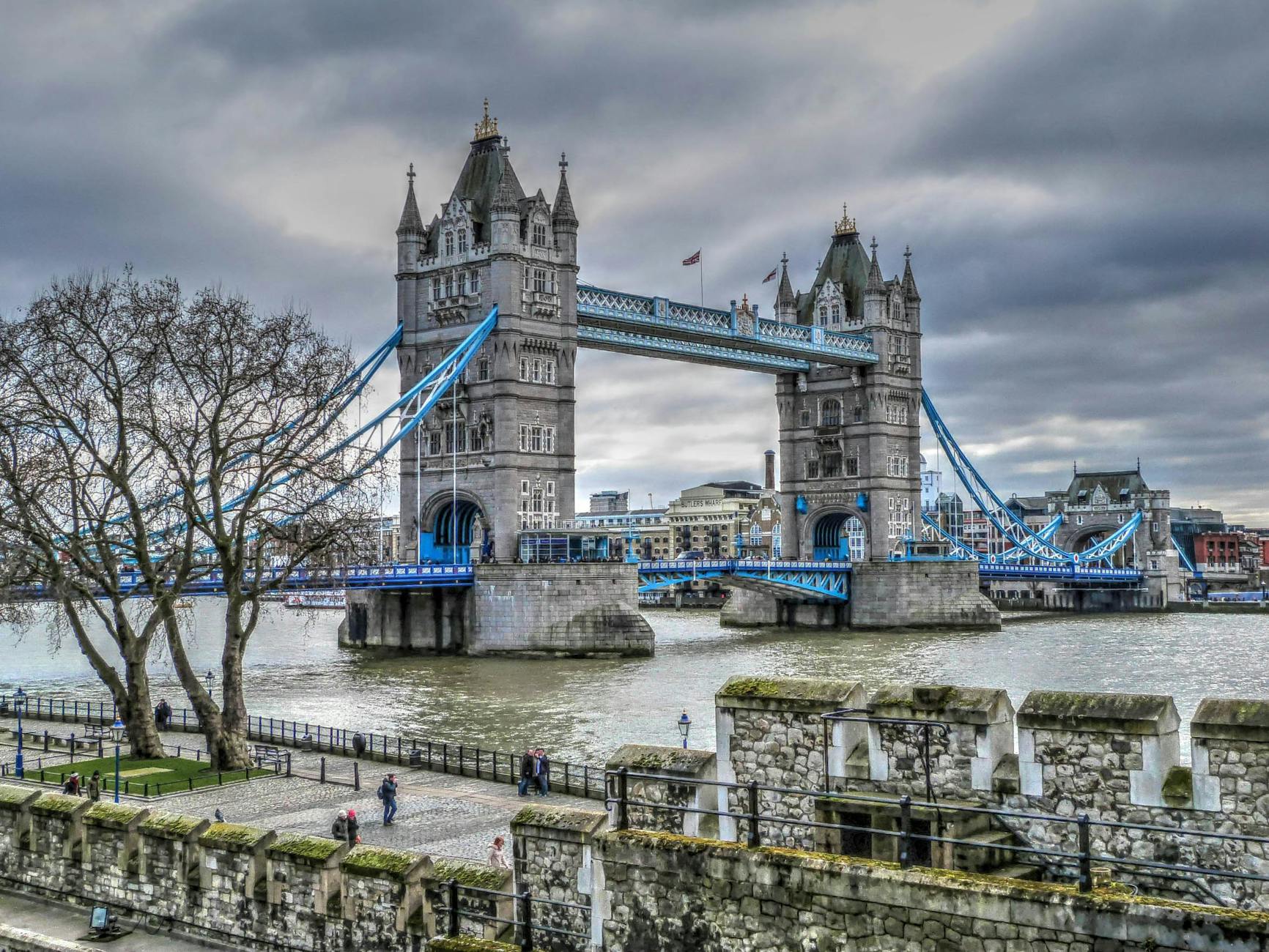
complete guide to visiting United Kingdom
Planning a trip to the United Kingdom can be a daunting task, but with the right guidance, it can become a seamless experience. Whether you’re looking to explore historical landmarks, enjoy the local cuisine, or simply relax in a quaint countryside village, the UK has something for everyone.

To make the most of your travel experience, it’s essential to book your hotels, flights, and cars in advance. This guide will provide you with valuable insights and tips on how to plan your trip efficiently, ensuring that you make the most of your time in the United Kingdom.
Key Takeaways
- Plan your trip in advance to secure the best deals on hotels, flights, and car rentals.
- Research the top destinations and attractions in the United Kingdom.
- Consider booking travel packages that include hotels, flights, and cars for a hassle-free experience.
- Be prepared for variable weather conditions and pack accordingly.
- Explore beyond the popular tourist spots to discover the UK’s hidden gems.
Planning Your UK Trip: When to Visit and What to Expect
The United Kingdom is a year-round destination, but the best time to visit depends on your preferences. Understanding the UK’s climate and events calendar can help you make the most of your trip.
Best Seasons to Travel to the United Kingdom
The UK experiences a temperate maritime climate, with cool winters and mild summers. The best time to visit is often considered to be during the spring (March to May) and autumn (September to November), when the weather is generally mild and pleasant.
Summer vs. Shoulder Season Benefits
Summer (June to August) is peak tourist season, offering long days and warm weather, but it’s also the busiest and most expensive time to visit. The shoulder season, which includes spring and autumn, offers a great balance between comfortable weather and smaller crowds.
Holiday Season Considerations
The holiday season, particularly around Christmas and New Year’s, can be a magical time to visit the UK, with festive markets and decorations. However, it’s also a busy period, and some attractions may have limited hours.
Weather Considerations and What to Pack
The UK’s weather can be unpredictable, so it’s essential to pack layers and waterproof clothing. Even in summer, it’s a good idea to bring a light jacket or sweater for cooler evenings.

UK weather
Major Events and Festivals Worth Planning Around
The UK hosts numerous events and festivals throughout the year, such as the Glastonbury Festival in June and the Edinburgh Festival Fringe in August. Planning your trip around these events can add an extra layer of excitement to your travel experience.
Essential Travel Documents for Visiting the UK
When planning a trip to the United Kingdom, it’s crucial to understand the necessary travel documents required for entry. As a US citizen, having the right documents will ensure a smooth journey.
Passport and Visa Requirements for US Citizens
US citizens need a valid passport to enter the UK. The passport should be valid for the entire duration of your stay. While a visa is not required for US citizens for tourism or business stays up to six months, it’s essential to check the UK government’s website for the most current visa requirements.
Travel Insurance Recommendations
Although not mandatory, travel insurance is highly recommended to cover unexpected medical or travel-related expenses. Look for a policy that includes medical coverage, trip cancellations, and delays.
Health Documentation and COVID-19 Guidelines
Check the UK government’s health advisory website for the latest COVID-19 guidelines before your trip. Ensure you have any required vaccinations or health documents. It’s also wise to stay updated on any health measures or requirements.

UK travel documents
How to Book Travel, Hotels, Flights, Cars for Your UK Adventure
To ensure a smooth and enjoyable UK adventure, it’s crucial to understand the best ways to book your travel arrangements. Whether you’re looking to book flights, hotels, or car rentals, having a strategy can make a significant difference in your overall experience.
Best Booking Platforms for UK Travel
Several platforms stand out for booking UK travel. For flights, consider using Expedia, Kayak, or Skyscanner for the best deals. For hotels, Booking.com and Hotels.com offer a wide range of options. When it comes to car rentals, Enterprise and Avis are reputable choices.
Package Deals vs. Individual Bookings
Booking a package deal can sometimes save you money, but it’s essential to compare prices with individual bookings to ensure you’re getting the best value. Package deals can simplify the booking process, but flexibility is often reduced.
Timing Your Bookings for Maximum Savings
Timing is everything when it comes to booking travel. For flight bookings, it’s generally recommended to book at least 2-3 months in advance to secure the best rates.
Flight Booking Windows
Research suggests that booking flights between 54-77 days in advance can yield the best prices. Using tools like Google Flights can help you track price changes.
Hotel Reservation Strategies
For hotels, booking early can secure better rates, but last-minute deals can also be found. Consider using hotel loyalty programs to accumulate points or discounts.

booking travel UK
By understanding the best booking platforms and strategies, you can make informed decisions that enhance your UK adventure. Whether you opt for package deals or individual bookings, timing your bookings correctly can lead to significant savings.
Finding the Perfect UK Accommodation
When traveling to the United Kingdom, finding the right accommodation can significantly enhance your overall experience. The UK is home to a wide variety of lodging options, catering to different budgets and preferences.
Hotel Options for Different Budgets
From budget-friendly hostels to luxury hotels, the UK offers a broad spectrum of hotel options. Budget hotels like Premier Inn and Travelodge provide comfortable stays at affordable prices, while luxury hotels such as The Ritz and The Savoy offer opulent experiences.
Unique Stays: Castles, Cottages, and B&Bs
For a more unique experience, consider staying in a castle, cottage, or bed and breakfast. These options offer a chance to immerse yourself in local culture and history.
“Staying in a historic B&B was a highlight of our trip to the UK,” said a traveler on TripAdvisor.

UK accommodation options
Best Areas to Stay in Major UK Cities
Choosing the right neighborhood is crucial when deciding where to stay in major UK cities.
London Neighborhood Guide
London offers various neighborhoods to stay in, each with its unique character. Covent Garden is ideal for those who want to be in the heart of the action, while Notting Hill provides a more laid-back atmosphere.
Edinburgh, Manchester, and Bath Recommendations
In Edinburgh, consider staying in the city center to be close to major attractions. Manchester’s Spinningfields area is great for business travelers, while Bath’s Royal Crescent offers a charming, historic stay.
Flying to the United Kingdom
Traveling to the United Kingdom is now easier than ever, with numerous flight options available from major US cities. Whether you’re heading to London or exploring other parts of the UK, understanding your flight choices is key to a smooth journey.
Direct Routes from Major US Cities
Several major US cities offer direct flights to the UK, making travel more convenient. Some of the key routes include:
- New York (JFK/LGA/EWR) to London (LHR)
- Los Angeles (LAX) to London (LHR)
- Chicago (ORD) to London (LHR)
Comparing UK Airport Options
The UK has several airports, each with its own advantages. The main airports include:
- Heathrow (LHR)
- Gatwick (LGW)
- Regional airports like Manchester and Edinburgh
Heathrow vs. Gatwick vs. Regional Airports
Heathrow is the largest and most connected airport, ideal for those seeking a wide range of flight options. Gatwick is another major hub, often with more budget-friendly options. Regional airports are perfect for those looking to start their UK journey in specific regions.
Airport Transfer Options to City Centers
Once you arrive, getting to the city center is straightforward. Options include:
- The Tube (London Underground)
- Taxis and ride-sharing services
- Trains and buses

UK airports
Getting Around: Transportation Options in the UK
The UK offers diverse transportation options for travelers. Whether you’re planning to explore the countryside or navigate through bustling cities, the UK has a comprehensive network to suit your needs.
Renting and Driving Cars in the UK
Renting a car is a popular option for travelers who prefer flexibility. It allows you to explore rural areas and enjoy scenic routes at your own pace.
Left-Side Driving Tips for Americans
Americans should practice driving on the left side before heading out. It’s also crucial to familiarize yourself with local driving laws and regulations.
Understanding UK Road Signs and Rules
Familiarize yourself with UK road signs and rules to avoid confusion. This includes understanding speed limits, right-of-way rules, and parking regulations.
Mastering the British Rail System
The British Rail system is efficient and convenient. Trains connect major cities, making it easy to travel long distances without the hassle of driving.
Using Public Transportation in UK Cities
Public transportation in UK cities is reliable and extensive. From London’s Underground to buses in smaller towns, getting around is straightforward and relatively affordable.
Creating Your UK Itinerary: Must-Visit Destinations
With its rich history and vibrant culture, the UK offers countless must-visit destinations for travelers. Crafting an itinerary that includes a mix of iconic landmarks, cultural experiences, and natural beauty can make for an unforgettable trip.
London: Essential Sights and Hidden Gems
London, the capital city, is a must-visit destination. Iconic landmarks like Buckingham Palace, the Tower of London, and Big Ben are a great starting point. However, exploring London’s hidden gems, such as the street art in Shoreditch or a stroll along the South Bank of the Thames, can add depth to your visit.
England’s Historic Cities and Countryside
Beyond London, England’s historic cities and picturesque countryside offer a wealth of experiences.
Oxford, Cambridge, and the Cotswolds
Visiting Oxford and Cambridge provides a glimpse into England’s academic and architectural heritage. The Cotswolds, with its quaint villages and rolling hills, is perfect for a relaxing day trip or a longer stay.
Bath, York, and Lake District
Bath is renowned for its Roman Baths and Georgian architecture, while York boasts a rich medieval history. The Lake District, made famous by the Romantic poets, is ideal for nature lovers and those seeking outdoor adventures.
Scotland, Wales, and Northern Ireland Highlights
The UK’s diverse regions each have their unique charm. Scotland is known for its stunning landscapes, from the Highlands to the Isle of Skye. Wales offers a mix of rugged coastlines, mountains, and historic castles. Northern Ireland is famous for the Giant’s Causeway, a natural wonder, and the historic city of Belfast.
By incorporating these destinations into your itinerary, you can experience the full breadth of what the UK has to offer.
Understanding British Culture and Etiquette
British culture is rich and nuanced, and understanding its intricacies can make a significant difference in your travel experience. The United Kingdom is known for its complex social norms and customs, which can sometimes be puzzling for visitors.
Social Customs and Conversation Topics
When interacting with locals, it’s essential to be aware of social customs. For instance, queuing is a deeply ingrained practice in British culture, and pushing in line is generally frowned upon. Conversation topics can vary, but discussing the weather is a classic icebreaker. It’s also polite to ask about someone’s weekend or their family.
However, certain topics like politics or personal finances are best avoided unless you’re well-acquainted with the person.
Tipping Practices in Different Settings
Tipping customs in the UK differ from those in the United States. In pubs, tipping is not expected unless you’re being served at a table. For sit-down meals, a tip of 10-15% is considered polite if a service charge hasn’t been added. When it comes to taxi drivers, rounding up the fare or adding a small tip is appreciated.
American-British Language Differences
Although American and British English share a common root, there are numerous differences in vocabulary and usage. For example, ‘lift’ means ‘elevator,’ ‘chips’ are ‘fries,’ and ‘cookies’ are ‘biscuits.’ Being aware of these differences can help avoid confusion during your trip.
Experiencing British Food and Drink
Exploring British cuisine is a journey through the country’s history, culture, and regional specialties. The UK offers a diverse range of culinary experiences that cater to all tastes and preferences.
Traditional Dishes Every Visitor Should Try
British cuisine is known for its hearty dishes, such as fish and chips, roast beef with Yorkshire pudding, and full English breakfast. Visitors should also try bangers and mash, a classic comfort food dish.
Navigating Pub Culture
Pub culture is a cornerstone of British social life. When visiting a pub, understanding the ordering etiquette is key to a smooth experience.
Ordering Etiquette
At the bar, order your drinks and food clearly, and be prepared to pay immediately. Tipping is not mandatory but is appreciated for good service.
Popular British Beers and Spirits
Britain is famous for its ales and beers, such as Real Ale and London Pride. Gin, particularly London Dry Gin, is also a popular spirit, often enjoyed with tonic.
Afternoon Tea: A Quintessential British Experience
No visit to the UK is complete without experiencing afternoon tea. This traditional meal, typically consisting of tea, sandwiches, scones, and cakes, is a delightful way to relax and enjoy British hospitality.
“Afternoon tea is a quintessential British tradition that offers a serene and indulgent experience, steeped in history and elegance.”
Shopping and Souvenirs in the UK
From iconic British brands to unique local markets, shopping in the UK is an adventure in itself. Visitors can explore a wide range of shopping experiences, from high-end luxury brands to vintage markets and historic department stores.
Iconic British Brands and Department Stores
The UK is home to many iconic brands and department stores that are a must-visit for any shopper. Harrods and Selfridges in London are renowned for their luxury offerings, while Liberty London is famous for its unique fabrics and stylish clothing. Other notable mentions include Marks & Spencer for quality clothing and Burberry for its iconic trench coats.
Markets and High Streets Worth Visiting
The UK’s markets and high streets offer a diverse shopping experience. Camden Market in London is a hub for alternative fashion and vintage shopping, while Brighton’s North Laine is known for its eclectic mix of shops. Visitors can also explore the historic Cardiff Market in Wales or the bustling Byres Road in Glasgow.
Tax-Free Shopping for American Visitors
American visitors can benefit from tax-free shopping in the UK. Many stores offer a tax refund on purchases over a certain amount, which can be claimed back at the airport before departure. Look for stores displaying the Tax-Free Shopping logo and ask staff about the process.
Managing Money and Budgeting for UK Travel
When traveling to the United Kingdom, managing your money effectively is crucial for a stress-free trip. Understanding how to handle your finances can make a significant difference in your travel experience.
Currency Exchange Tips
Before you leave, it’s a good idea to exchange some money for British Pounds (GBP) to cover initial expenses upon arrival. You can do this at your local bank or currency exchange office. Using an ATM to withdraw local currency once you arrive is often the most convenient option.
- Use ATMs affiliated with your bank to avoid high fees.
- Avoid exchanging money at airports or tourist areas where rates may be unfavorable.
Credit Cards, ATMs, and Payment Methods
Most businesses in the UK accept major credit cards, including Visa and Mastercard. Inform your bank of your travel plans to avoid any transactions being flagged as suspicious. Additionally, consider using a credit card that doesn’t charge foreign transaction fees.
Daily Budget Guidelines for Different Travel Styles
Your daily budget will depend on your travel style. Here are some guidelines:
- Budget: £50-£70 per day for budget accommodations, public transport, and eating at local cafes or street food stalls.
- Mid-Range: £100-£150 per day for mid-range hotels, dining at mid-range restaurants, and some attractions.
- Luxury: £200+ per day for luxury hotels, fine dining, and exclusive experiences.
Budget Travel Strategies
For budget travelers, consider staying in hostels, cooking your own meals, and using public transportation. Look for free walking tours and visit local markets.
Mid-Range and Luxury Options
For those with a mid-range or luxury budget, consider upgrading to a hotel or B&B, dining at higher-end restaurants, and enjoying premium experiences like theater tickets or guided tours.
Conclusion: Making the Most of Your British Adventure
As you prepare for your trip to the United Kingdom, it’s essential to tie together the various elements that will make your travel experience unforgettable. From planning your itinerary to understanding British culture, the key to a successful UK adventure lies in being prepared.
By considering the best times to visit, booking your travel and accommodations wisely, and navigating the UK’s transportation systems, you’ll be well on your way to exploring the rich history, vibrant cities, and stunning landscapes that the United Kingdom has to offer. Whether you’re drawn to London’s iconic landmarks, the scenic countryside, or the cultural festivals that dot the calendar, your adventure in the UK is sure to be filled with memorable moments.
As you embark on your journey, remember to stay flexible, be open to new experiences, and enjoy the unique aspects of British culture that make the United Kingdom such a compelling destination. With careful planning and a sense of adventure, your travel to the United Kingdom will be an unforgettable experience.
FAQ
What is the best time to visit the United Kingdom?
The best time to visit the UK is during the spring (April-May) and autumn (September-October), when the weather is mild and there are fewer tourists. Summer is peak tourist season, while winters can be chilly and some attractions may be closed.
Do I need a visa to travel to the UK?
US citizens do not need a visa to enter the UK for tourism or business stays up to six months. However, you will need a valid US passport with at least six months’ validity.
How do I book flights, hotels, and car rentals for my UK trip?
You can book flights, hotels, and car rentals through online travel agencies like Expedia, Booking.com, or directly through airline, hotel, and car rental company websites. Comparing prices and booking in advance can help you save money.
What are the best ways to get around the UK?
The UK has a comprehensive public transportation system, including trains, buses, and the London Underground. You can also rent cars or book taxis. The British Rail system is efficient, and many cities have bike-sharing schemes.
What are some must-try traditional British dishes?
Some traditional British dishes include fish and chips, roast beef with Yorkshire pudding, full English breakfast, and shepherd’s pie. Be sure to try some local specialties during your visit.
Can I use my US credit cards and ATMs in the UK?
Yes, most US credit cards are accepted in the UK, and you can withdraw cash from ATMs using your debit or credit card. However, be aware of foreign transaction fees and inform your bank of your travel plans to avoid account restrictions.
Is it necessary to purchase travel insurance for my UK trip?
While not mandatory, travel insurance is highly recommended to cover unexpected medical or travel-related expenses. Check your existing insurance policies and consider purchasing additional coverage if necessary.
What is the tipping culture like in the UK?
Tipping practices in the UK are generally less than in the US. Aim to tip around 10-15% in restaurants and bars if service is good, and £1-2 for taxi drivers.
Can I drink tap water in the UK?
Yes, tap water is safe to drink in the UK. You can refill your water bottle at restaurants, cafes, or public water fountains.
Are there any specific health and safety guidelines I should be aware of when traveling to the UK?
Check the latest COVID-19 guidelines and any other health advisories before your trip. The UK has a high standard of healthcare, and you can access medical care at hospitals or clinics if needed.