
Discover Egypt: Ancient Wonders and Nile River Magic
I. Pre-Trip Planning
A. Destination Research & Itinerary Crafting
Detailed Itinerary Creation
Embarking on a journey to Egypt is like stepping into a living museum. Your days can be filled with ancient pyramids, vibrant bazaars, temple ruins, and serene Nile riverbanks. Here’s a sample one-week itinerary:
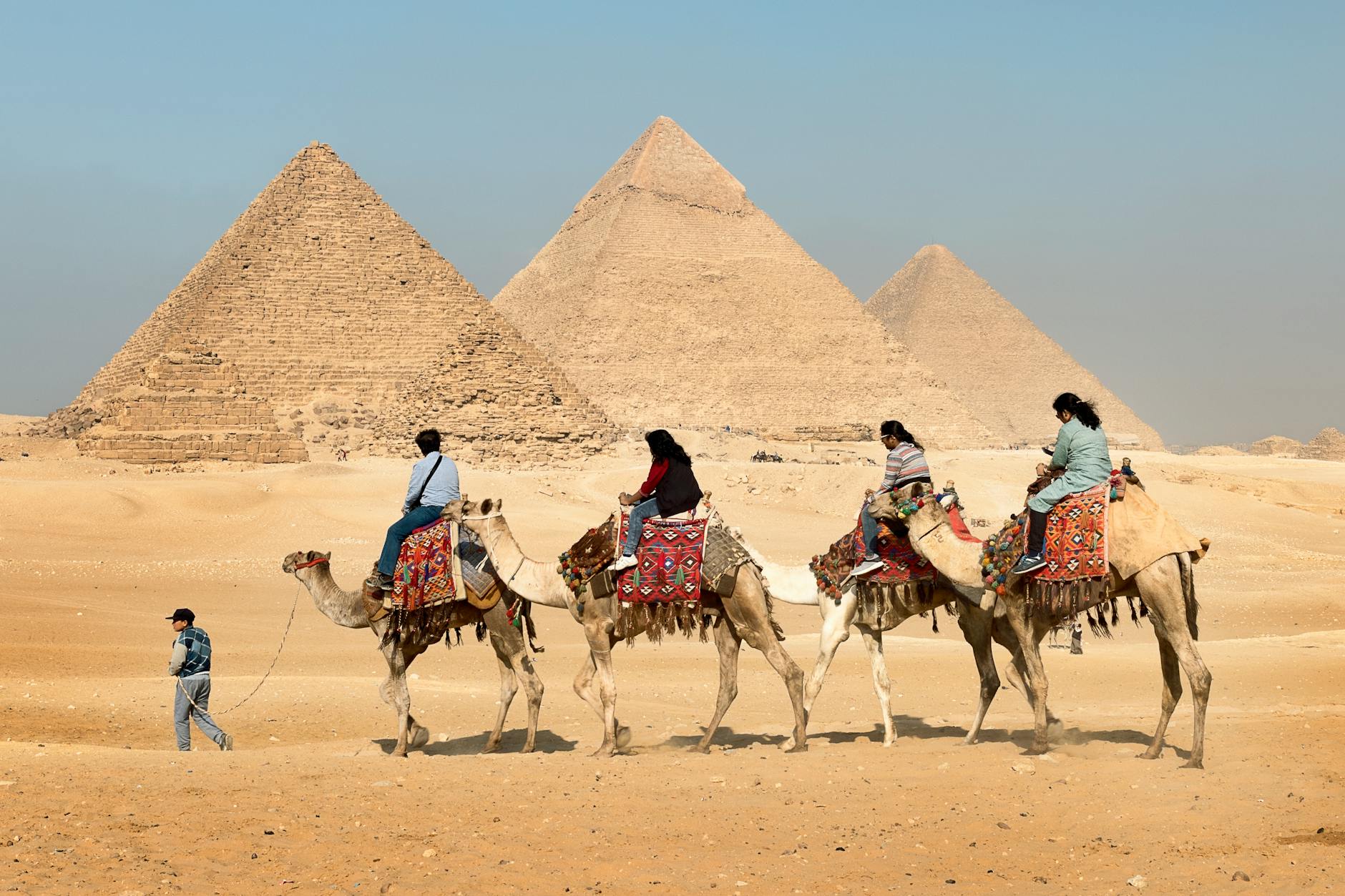
- Day 1: Cairo – Giza Pyramids, Sphinx, Egyptian Museum.
- Day 2: Cairo Islamic Quarter, Khan el-Khalili Bazaar, Coptic Cairo.
- Day 3: Train or flight to Luxor. Luxor Temple, evening light show.
- Day 4: Valley of the Kings, Hatshepsut Temple, Nile felucca ride.
- Day 5: Aswan – Philae Temple, Nubian Village, Unfinished Obelisk.
- Day 6: Abu Simbel early morning trip, overnight Nile cruise.
- Day 7: Return to Cairo, explore markets or relax at Al-Azhar Park.
Regional Route/Road Trip Planning
Egypt’s highlights are best explored either via domestic flights (especially between Cairo, Luxor, and Aswan) or iconic train routes like Cairo to Aswan. Organize stopovers at Edfu and Kom Ombo for lesser-visited temples.
Off-the-Beaten-Path Exploration
Don’t miss Siwa Oasis for desert scenery, hiking in the White Desert, or snorkeling in Dahab on the Red Sea—experiences worlds away from Egypt’s crowded tourist sites.
Comparative Destination Itineraries
If time is limited, consider focusing on Cairo and Luxor for the classic experience, or swap the south for the Mediterranean charms of Alexandria and the relaxing beaches of Marsa Alam.
B. Getting There
Flight Options Research
Egypt is served by Cairo International Airport (CAI), with direct flights from Europe, the Middle East, Africa, and major US hubs. Some international flights land in Luxor and Sharm El Sheikh during peak seasons.
Multi-Modal Transport to Destination
Many travelers combine flights with Egypt’s reliable train network. Overnight sleeper trains connect Cairo and Upper Egypt, saving both money and travel time. Buses are available, but journeys can be long and less comfortable than trains or flights.
C. Accommodation
Specific Accommodation Search
Egypt offers a range of hotels, from budget hostels in central Cairo to lavish five-star resorts by the Red Sea. Popular options include Marriott Mena House (Cairo), Sofitel Winter Palace (Luxor), and eco-lodges in Siwa Oasis.
Compare Accommodation Types
- Hotels: Convenient and often include breakfast. Good for city stays.
- Nile Cruises: Combine transport and lodging, with meals and guides included.
- Hostels: Ideal for budget travelers.
- Guesthouses/Riads: Authentic, local charm in places like Aswan and Luxor.
Unique Lodging Experiences
Stay aboard a traditional dahabiya (river sailboat) for a slow Nile journey, or sleep under the stars in a desert eco-lodge.
D. Budgeting
Detailed Daily Budget Breakdown
| Expense | Budget ($) | Mid-Range ($) | Luxury ($) |
|---|---|---|---|
| Accommodation | 25-40 | 80-150 | 200+ |
| Meals | 10-15 | 25-50 | 70+ |
| Transport (per day) | 5-15 | 20-50 | 70+ |
| Sightseeing | 10-30 | 40-60 | 100+ |
| Miscellaneous | 5-10 | 15-30 | 50+ |
Total Trip Budget Estimation
- Budget (1 week): ~$400-500
- Mid-Range (1 week): ~$900-1,300
- Luxury (1 week): $3,000+
Cost-Saving Tips
- Travel in shoulder seasons (spring/fall) for better prices and fewer crowds.
- Pack snacks for day trips to avoid overpriced tourist spots.
- Use Uber or Careem for predictable taxi rates in cities.
- Consider Egyptian SIM cards for cheaper data and calls.
E. Packing, Documents & Health Prep
Context-Specific Packing List
- Lightweight, breathable clothing for hot days.
- A scarf or shawl for sun and mosque visits.
- Sturdy walking shoes for archaeological sites.
- Reusable water bottle, sunscreen, sunglasses.
Visa, Entry & Essential Documents
Most travelers require a visa, which can be obtained on arrival or online via Egypt’s e-visa system. Carry a passport valid for at least 6 months, and keep copies of your travel insurance and booking confirmations.
Health Advisories & Vaccinations
Routine vaccinations (MMR, tetanus, hepatitis A) are recommended. For longer rural visits, consider Hepatitis B and typhoid. Tap water is not safe to drink—always use bottled or filtered water.
II. Cultural Immersion & Communication
A. Language & Basic Interaction
Essential Phrases with Context
- Salam Alaikum (Peace be upon you): Greeting.
- Shukran (Thank you): For gratitude.
- Kam al-thaman? (How much?): For bargaining.
Translate Specific Phrases
- “I am vegetarian”: Ana nabati (أنا نباتي)
- “Does this have nuts?”: Fiha mokassarat? (فيها مكسرات؟)
Communicating Specific Needs (e.g., Dietary)
Egyptians appreciate when travelers attempt Arabic. If not, English is widely understood in tourist areas—write dietary needs down in Arabic to show at restaurants.
B. Customs & Etiquette
Key Cultural Etiquette & Tipping
- Modest dress is appreciated, especially at religious sites.
- Tipping (“baksheesh”) is customary: 5-10% at restaurants, 5-20EGP for bellhops or guides.
- “Remove shoes before entering a mosque” is standard practice.
Understanding Specific Local Customs
Ramadan brings changes—restaurants may open late, some sites close early, and public eating or drinking is frowned upon during daylight. Fridays are a holy day, with many shops closing until afternoon.
III. On-the-Ground Experiences
A. Food, Drink & Shopping
Local Culinary Recommendations
Sample koshari (pasta, lentils, rice, and tomato sauce), ful medames (mashed fava beans), and molokhia (leafy green soup). For dessert, don’t miss basbousa and kunafa.
Restaurant Recommendations for Dietary Needs
Cairo and major cities have vegetarian options. Try Zooba for creative Egyptian street food or Cairo Kitchen for authentic fare with vegan/vegetarian adaptations.
Navigating Local Markets
Bargain with a smile at Cairo’s Khan el-Khalili or Luxor souks. Use “La, shukran” (“No, thank you”) politely and compare prices before buying.
Unique Shopping Experiences
Buy hand-blown glass in Aswan, Bedouin jewelry in Siwa, or handwoven Egyptian cotton scarves.
B. Activities & Sightseeing
Theme-Based Day Trip Ideas
- Ancient Egypt: Pyramids of Giza, Egyptian Museum, Saqqara Step Pyramid.
- Pharaonic Temples: Karnak & Luxor, Philae, Abu Simbel.
- Islamic Cairo: Citadel, Muhammad Ali Mosque, historic mosques.
- Nile Cruise: Luxor to Aswan, with stops at Kom Ombo and Edfu.
C. Local Events & Festivals
For unique events, attend the Abu Simbel Sun Festival (February & October) when the sun aligns perfectly with the temple’s inner sanctum, or the summer Cairo Opera Festival.
D. Deeper Learning & Enrichment
Historical/Educational Insights for Sites
- Giza Pyramids: Built over 4,500 years ago; the only surviving Wonder of the Ancient World.
- Karnak Temple: Largest religious building ever constructed—“The most select of places.”
- Abu Simbel: Relocated to prevent flooding when Aswan High Dam was built.
Educational Resources for Trip Context
Bring a copy of Agatha Christie’s “Death on the Nile” or download informative podcasts about Ancient Egypt for context-rich travel.
E. Travel Entertainment
Entertainment for Long Journeys
Pack books (historical fiction or guides), download movies set in Egypt, or curate a list of Egyptian music playlists.
Layover Activities
If you have a Cairo layover, the Egyptian Museum or a felucca ride on the Nile are easy-access highlights.
Quotes & Q&A Section
Traveler Q&A
Q: Is Egypt safe for solo travelers?
A: Egypt’s main tourist areas are generally safe, especially with pre-arranged tours. “I never felt unsafe in Cairo’s bustling bazaars or while traveling on trains—locals are eager to help,” says Alyssa, an Egypt travel blogger.
Q: What’s the best way to see the Nile?
A: “Nothing compares to drifting down the Nile on a felucca at sunset—the breeze, the colors, and the temple silhouettes are magical,” recalls Michael, a recent traveler.
Q: How do I avoid tourist scams?
A: Politely decline unsolicited assistance or souvenirs, set clear prices for taxis and guides beforehand, and shop at government-approved stores for bigger purchases.
Memorable Quotes
- “Egypt is not a country we live in but a country that lives within us.” – Mahmoud Darwish
- “To wander through Egypt is to walk with the pharaohs, the poets, and the river itself.”
When planning your Egyptian adventure, flexibility and openness are your best travel companions. Whether you’re awed by the ancient wonders or mesmerized by Nile river magic, Egypt guarantees a journey that will leave you spellbound.